
How to make the audience keep watching
The first eight seconds are crucial for content, especially when it comes to online advertising. A person comes to the cinema consciously, sits in a chair, and can watch for a long, long time as Miyazaki's plane flies across the sky. For short video clips, this is unacceptable.
Animation has one advantage: it captures immediate attention simply because it is animation. Compare these two frames:
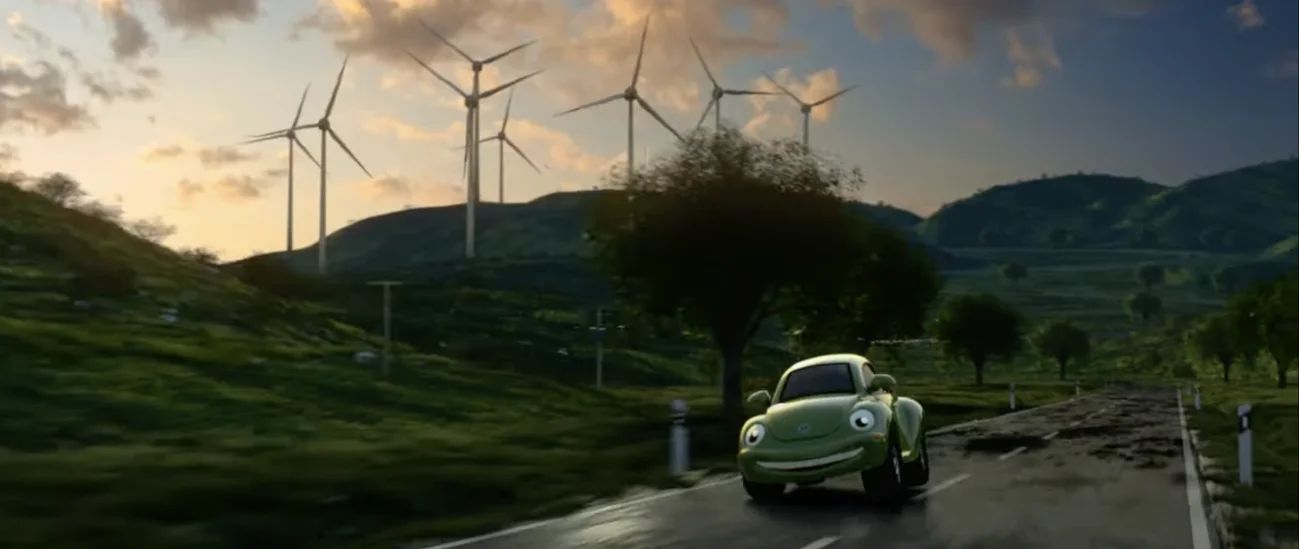
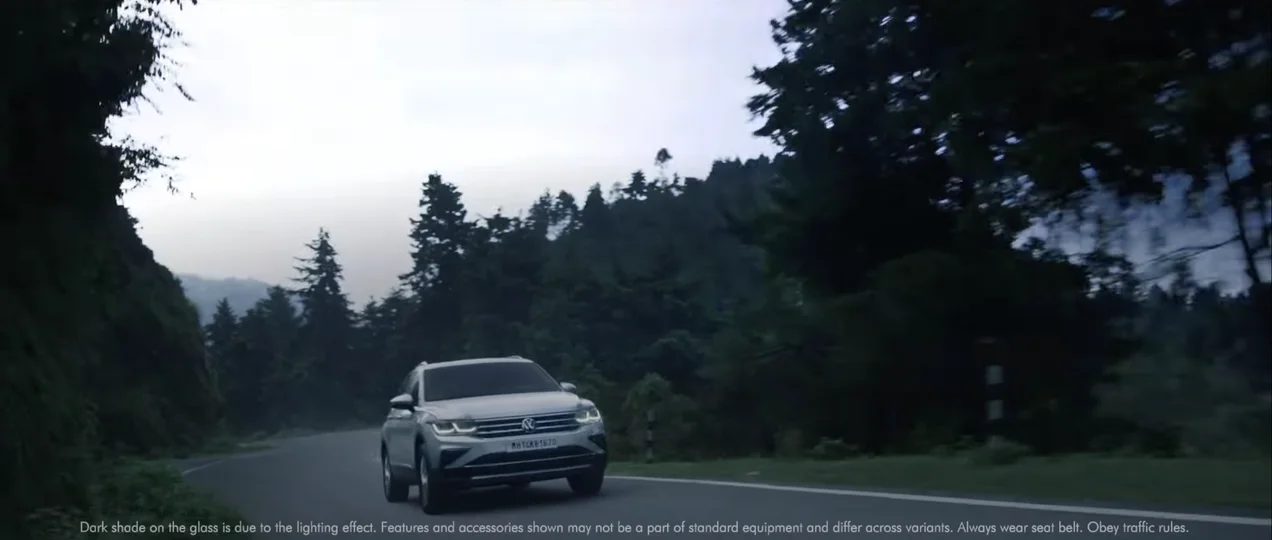
In both cases, it's a car commercial. Only in one case it's live action (not without CG), and in the other it's animation. Which frame is more interesting to look at?
Of course, animation is created for a specific purpose. This kind of animation wouldn't suit premium cars, but here we are more interested in understanding how it works for the viewer.
Positive emotions
First, such a frame evokes warm feelings. Here, the cute green cartoon car takes us back to childhood, and we immediately sense something soft and tender. Almost every Christmas commercial is built on the same principle. Look at screenshots from different clips and try to notice what you feel. It comes through both in the colors (pleasant to the eye, like a pack of plasticine) and in the rendering of the animation - almost every time, it's 3D.

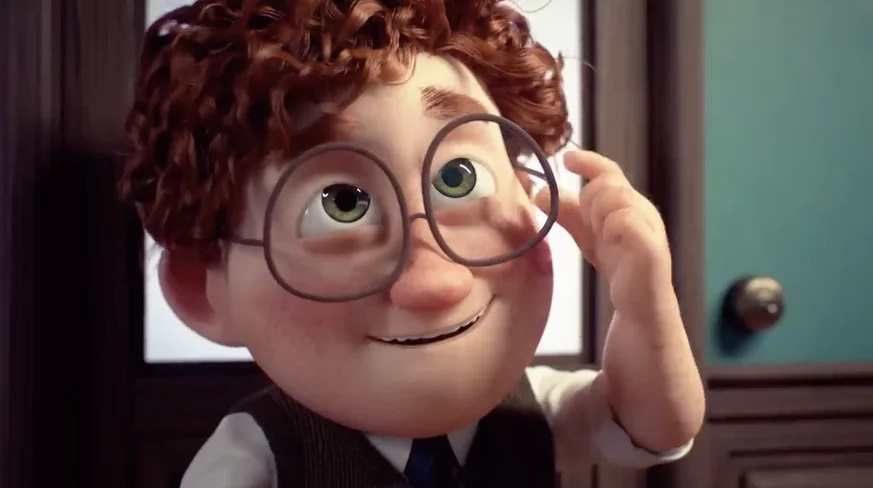
Most importantly, the emotional connection in animation is universal for any viewer. A green car with cute cartoon eyes running among the trees is fun to watch for absolutely everyone, regardless of sex, gender or age.
It becomes even more engaging for viewers when animation or 3D graphics are built into live-action footage. It creates a sense of magic, like in Harry Potter.
By the way, imagine if the world of Harry Potter had no muggles, only wizards. Such a world would be about ten times less interesting. It's much cooler when there's a Platform 9 3/4 in real London. It's far more fascinating when magic swirls all around you.
Negative emotions
Another way to hold attention: anxiety, fear, sometimes irritation. It's a risky technique because the viewer may reject it: not everyone wants to feel unpleasant emotions without asking for them. However, when content creators handle the viewer's attention well, they certainly win
and achieve the desired effect.
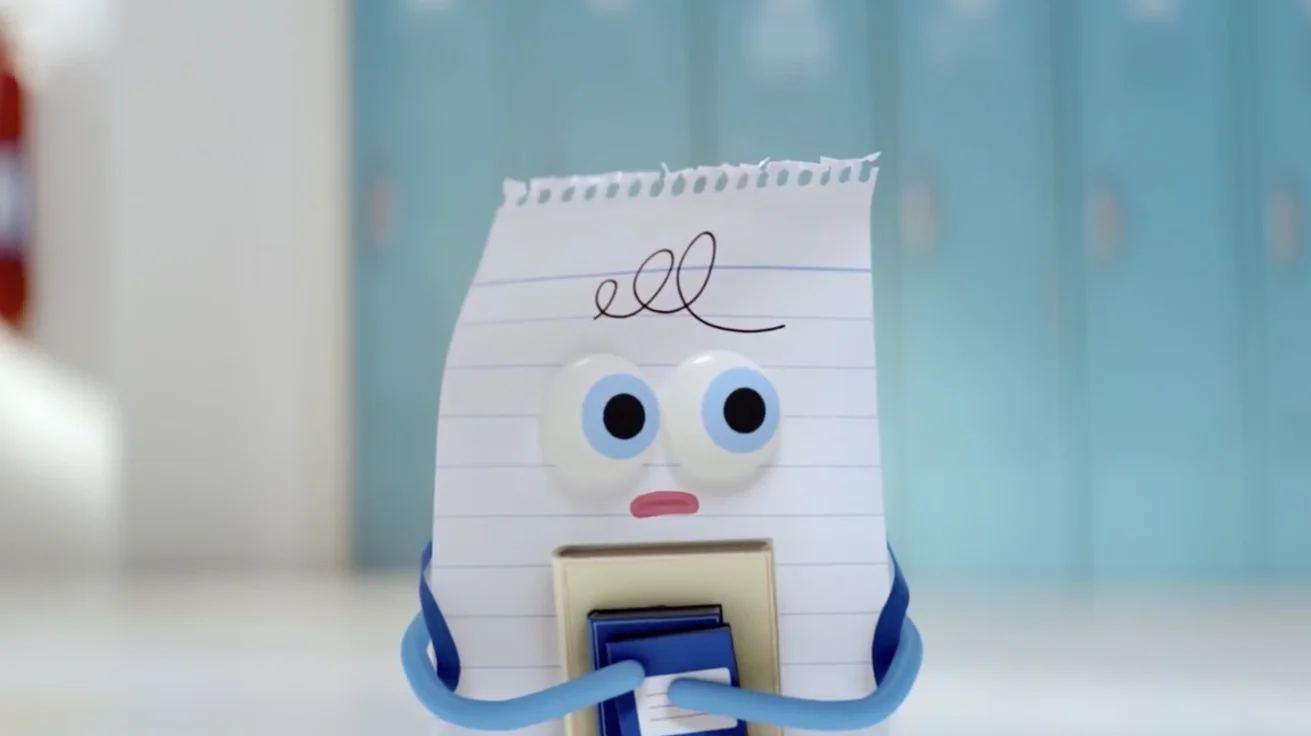
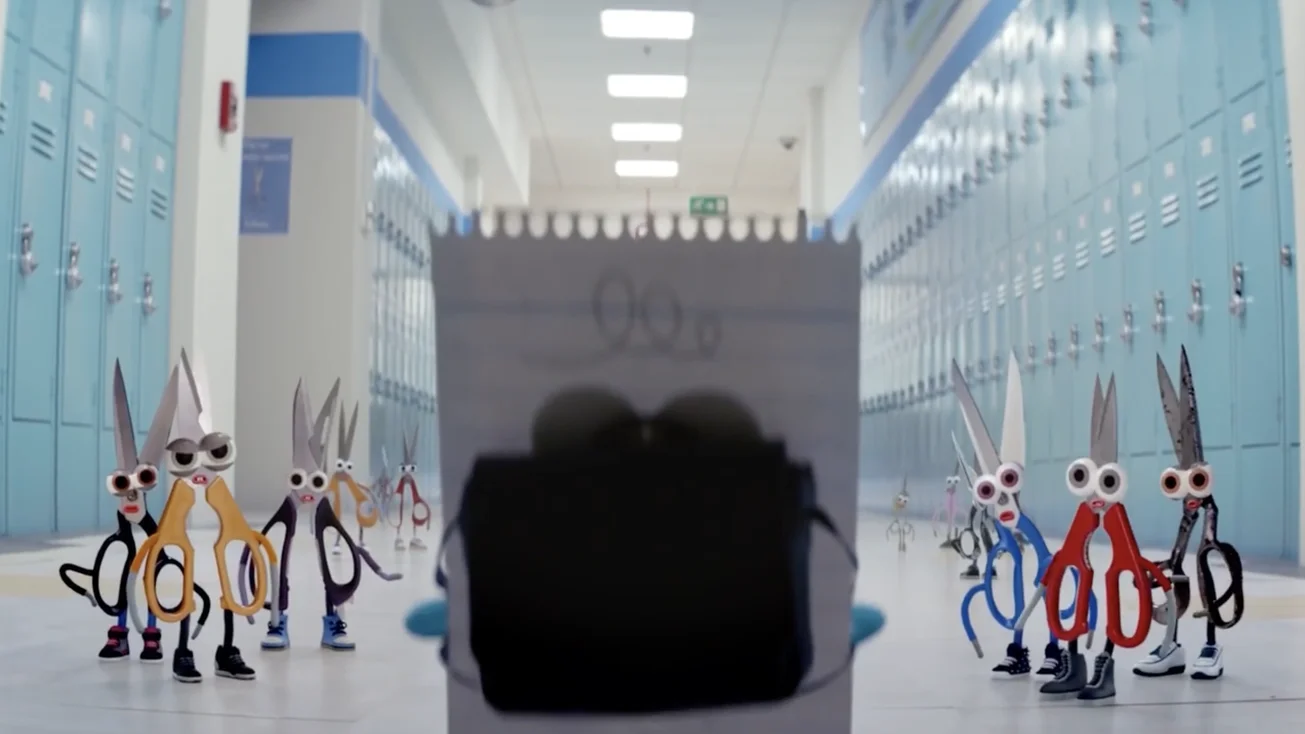
Take a look at these first two frames from a commercial:
Now watch the whole story:
Here the creators play on every child's primal fear - being out of place, not being accepted. The very first frame does this: the paper hero stands with its back turned, surrounded by scissors. It's a universal technique understood by almost everyone, even those who don't know the game - scissors, as sharp objects, obviously pose a danger.
Such stories most often work in social advertising. Notice how brilliantly it expresses the idea of telling a story about human diversity, about not labeling people, and how this can help children adapt, for example, at school.
But in commercial ads, making the viewer live through such strong emotions is risky. As a rule, commercials are geared towards positivity, yet some negative emotion may be hidden inside. Let's look at this ad.
This story is about how great it is to fly with children on this airline, because the airline can take responsibility for the children's behavior. Here the creators tap into one of the key emotions - irritation and fatigue, familiar not only to parents flying with restless kids but also to regular passengers who hear these children screaming on every other flight.
The creators cleverly target two audiences at once, along with one of passengers' biggest problems. The company promises to deal with the irritant, and the authors skillfully let the viewer feel anger and immediately get the hope that the airline will help get rid of it.
The hero in animation
In animated advertising, the hero is of primary importance. Animation offers far more possibilities here. You can make a video about a rabbit, a table or a speck of dust. In live-action video, fiction or documentary film, that's impossible.
Let's go back to the video with paper, scissors and rock.
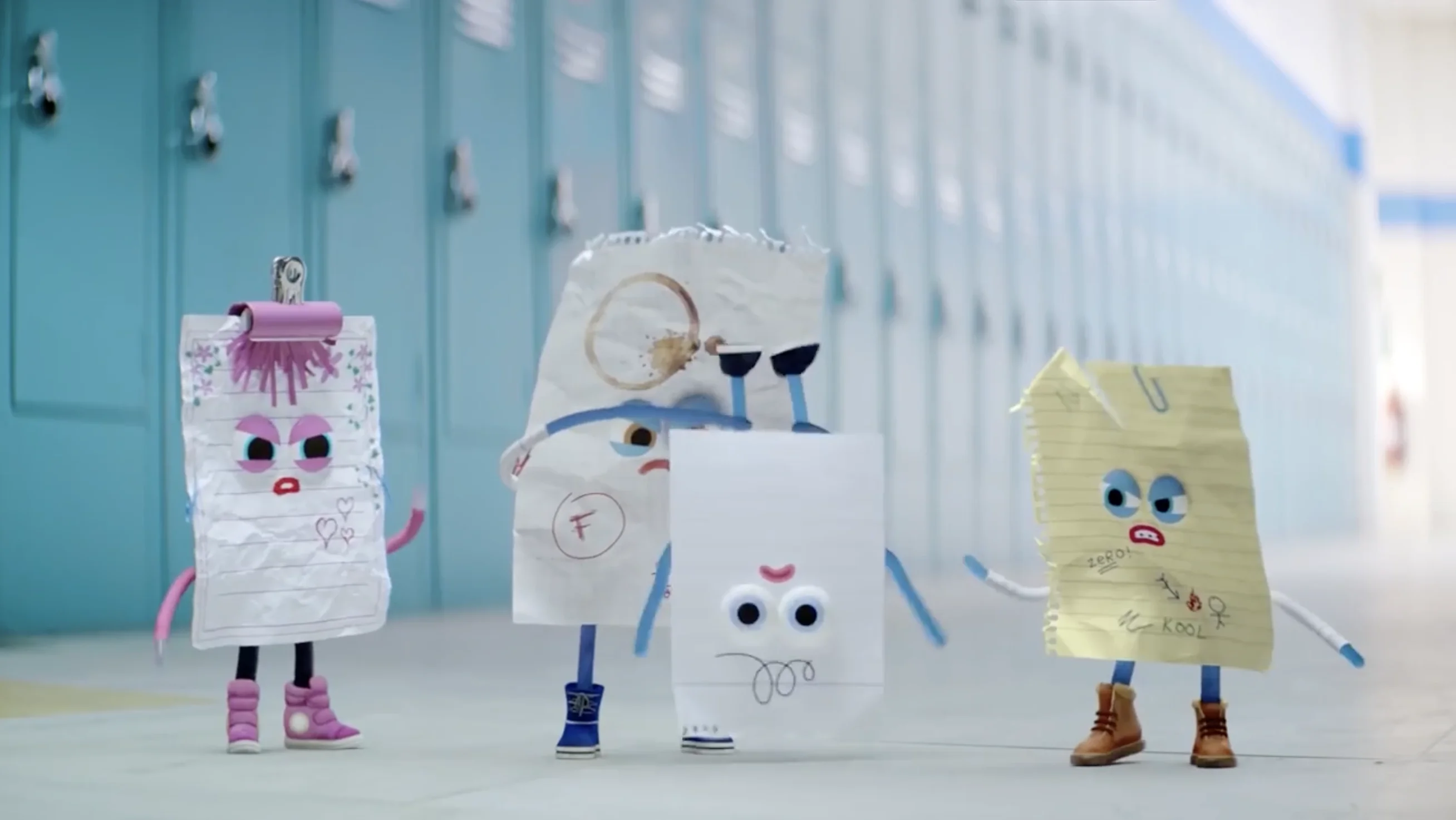
We see the classic story of an “odd one out” hero who risks becoming an outcast: Forrest Gump, Mean Girls and all that. The classic scene immediately comes to mind: a kid walks through the cafeteria with a tray and falls.
An important point: in this case it would be strange to make a video just about paper.
How would you pitch that to the viewer? We want to make an ad about a sheet of paper. Not interesting. So what is? It's interesting when the hero appears on screen together with the antagonist - someone who will oppose the hero (or become their friend), someone the hero contrasts with, which highlights the hero's own qualities. That's why the first frame of the video is not a close-up of the paper. The first frame is the hero - the paper - standing right opposite the scissors.
The viewer understands everything: the context, the conflict, and fear arises. The director's skill lies precisely in showing maximum information in a single frame. By the way, our studio can do that. Discuss your ideas with us
In another social video, also, it's enough to show the hero right away for them to become clear and engaging. It's a video about cosmetics testing, a Cannes Lions Grand Prix winner.
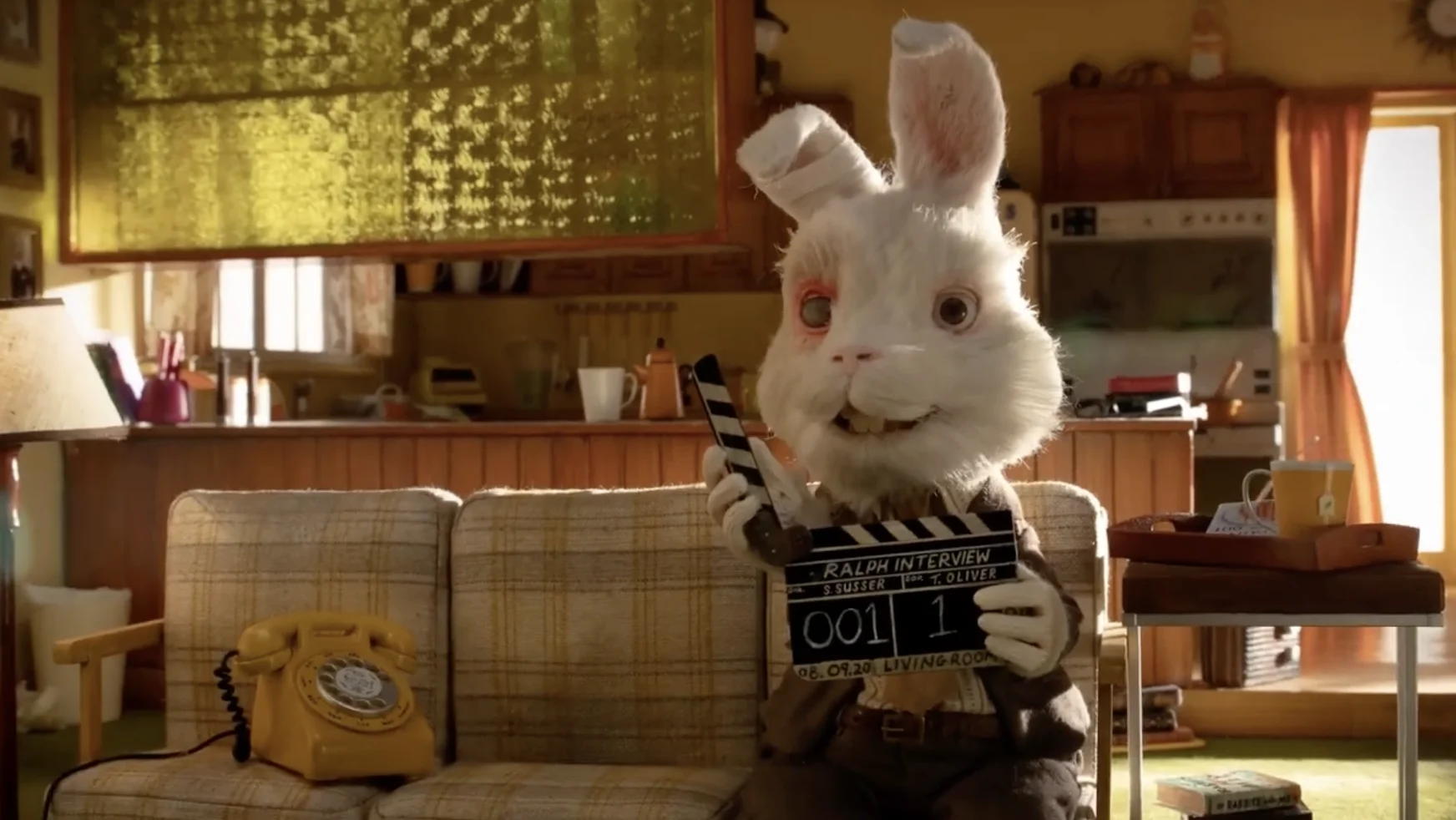
In the very first frame, we see a hero who makes us empathize with him and also evokes genuine horror. Naturally, this is primarily due to his appearance. Puppet animation suits such videos best: in digital 3D this hero would look more artificial - creating such natural fur takes a lot of resources. It's easier to make this character by hand and film it. The fur looks very lifelike, adding to the sense of horror. Watch the entire video. Caution! Sensitive content. It can be truly shocking.
Let's relax a little and watch a very sweet, tender film about the founder of one of the most famous food companies, the one that makes ketchup.


This video is a great example of how to tell a story about both the company and its production, make it interesting, and tie it to a personal story. You connect emotionally with the hero, live a whole life with him, and keep the brand he created in your memory forever. Because we all know that a personal brand is a strategy that works. However, such scripts need a meticulous approach and high-quality execution; you can't tell this kind of story in ten seconds, and it's also a fairly costly production. But the result is worth it.
Remember, the hero in advertising or short social videos is often the main thing that hooks the viewer's attention. This is especially true for stories about social issues. For more on how to create an interesting hero, read here
Script in animation
About scripts, especially animated ones, there's one important thing to say. A script can be written a) from an idea or b) from a character. As a rule, short videos rely on an idea. The basis of an idea is a logline, in advertising too. Our studio (and any other studio) first and foremost offers an interesting idea.
Let's formulate some seemingly obvious ideas that nevertheless managed to capture viewers' attention in short commercials.
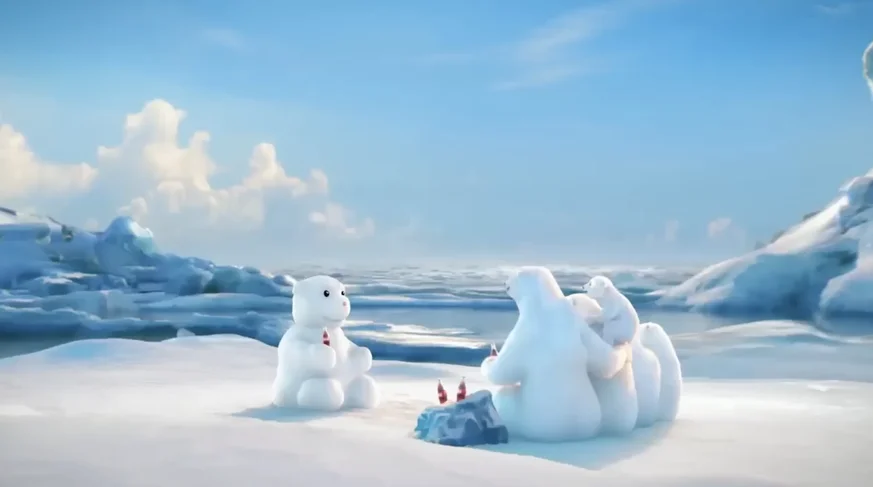
What if polar bears sculpted a polar bear out of snow? This is a very old commercial for our beloved unhealthy soda.
The idea is very simple, the video is very cute, funny and cozy,
and it sells the product perfectly.
Now let's go back to the video we already discussed: the story about paper, scissors and rock. Despite its very vivid hero, this video is also based on an idea. The idea of showing human diversity, of uniting people, of resolving conflicts rather than creating them, the idea of friendship and loyalty.
Which characters best convey the idea of true loyalty? Characters who are as far apart as possible. Who can't be together. CatDog. The Wolf and the Hare. Scissors and paper. Very simple, yet still quite hard.
For more on how to write a good script for a video, and especially for animation, read here
So, to sum up: a good story, an interesting hero and skillful emotional impact keep the viewer glued to the screen. If you want this in a video about you, your project or your company - write to us. That's what we do.

Author: Sasha Potapova
CONTACTS
Write to us at the contacts below to discuss the project, or fill out the brief and we will contact you
@ Betooned 2026